
Our museum remains open despite the construction currently underway on Rue Saint-Martin.

Please note, however, that our entrance has been temporarily relocated to Rue Massenet. Check out our directions guide to find us easily.

The Museum

Museum of Puppetry Arts

Heritage department of the Puppet Center, with a collection of around 3 000 puppets, exhibitions and experiences for all audiences. The Museum is open to visitors from Tuesday to Sunday!

Collections & heritage

Permanent exhibition: Puppets between earth and sky

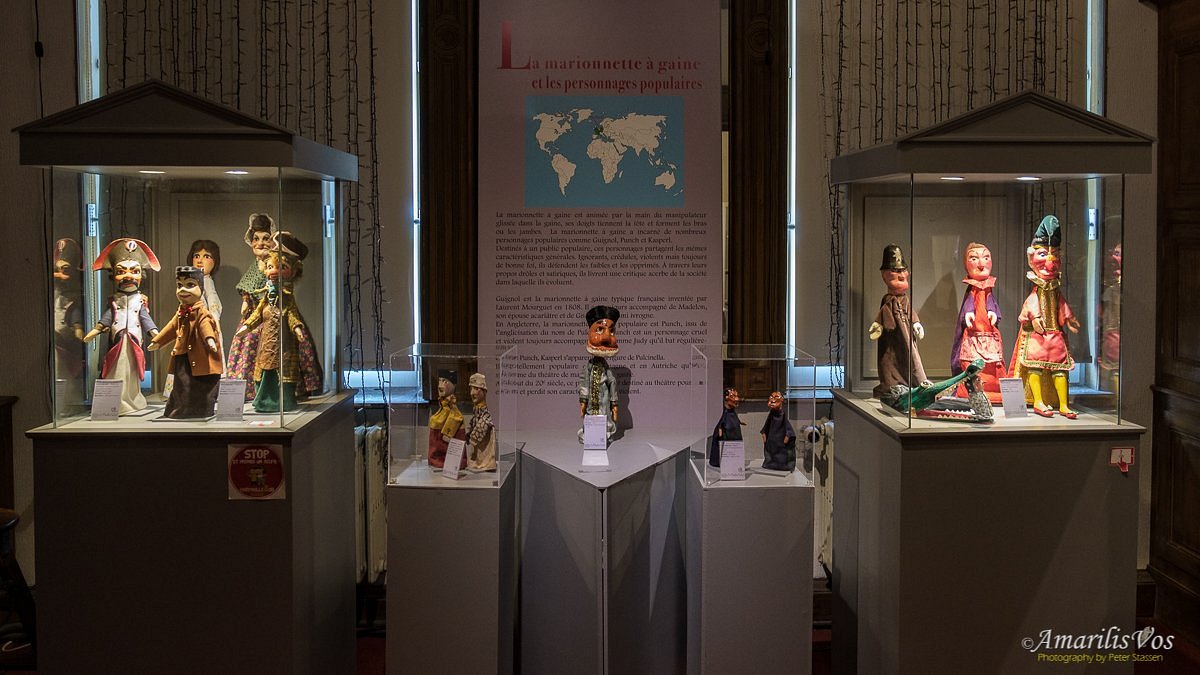
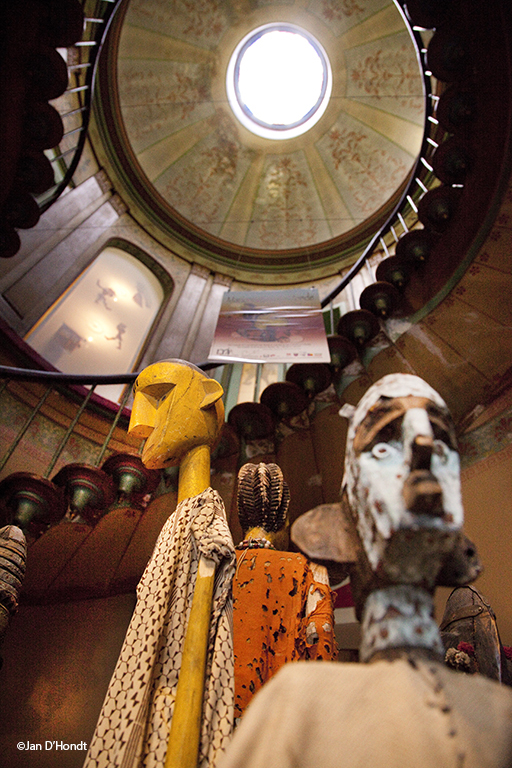
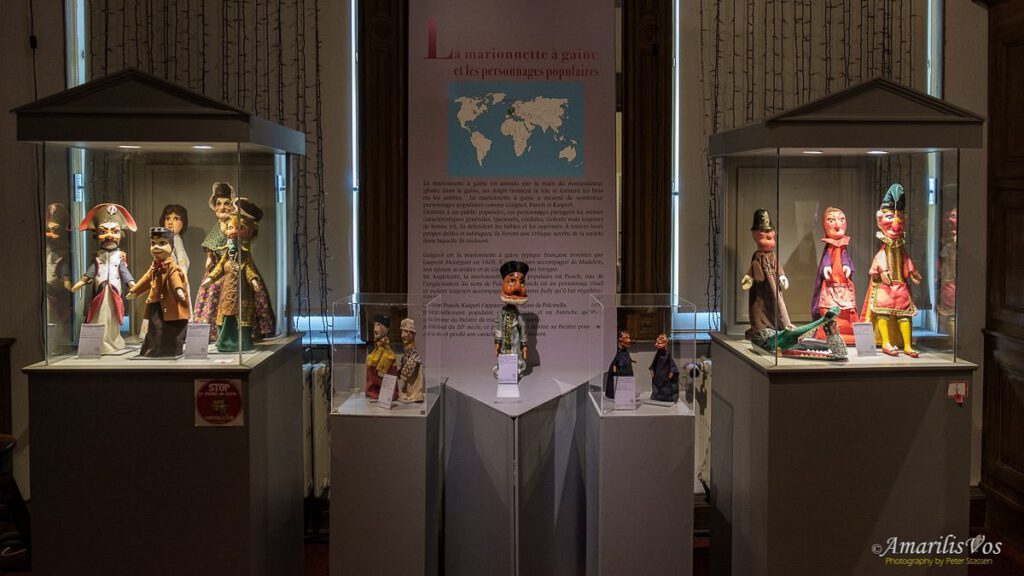
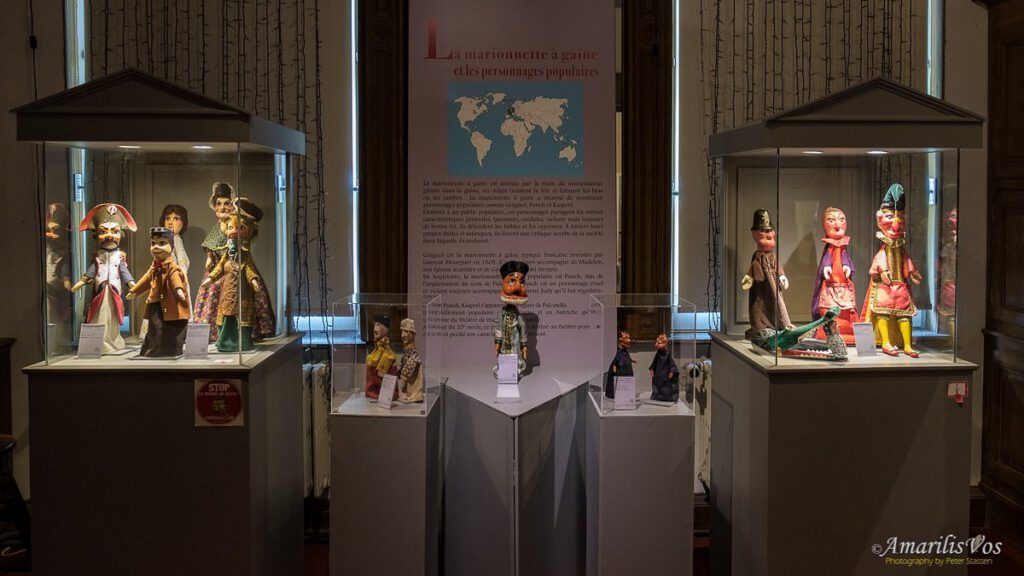
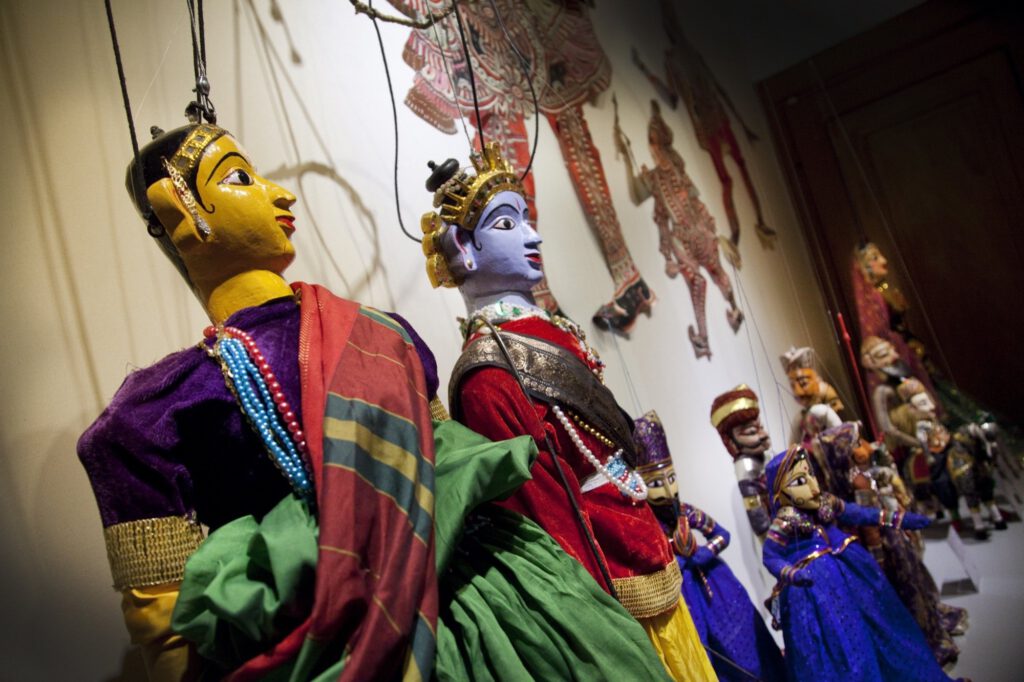
Through its permanent exhibition, the Museum of Puppetry Arts invites you to discover a selection from its collection of more than 3 000 objects related to puppetry from around the world. Puppets, making tools, photographs, sets and stage props immerse visitors in a fascinating world where creativity, tradition and imagination come together.

From Europe, Northern Europe, Africa and Asia, the puppets on display reveal the diversity of the practices and cultures from which they originate. Each one tells a story, from its country of origin to its arrival at the Museum.

Housed in a neoclassical mansion, the Museum holds a significant place in Tournai’s puppetry heritage. It was here that Tournai’s traditional rod-puppet theatre developed, including the distinctive Poriginelles. Building on this historical legacy, the Museum continues to preserve and celebrate this tradition while opening it up to the diverse expressions of puppetry from around the world.
The ‘Poriginelles’ of Tournai

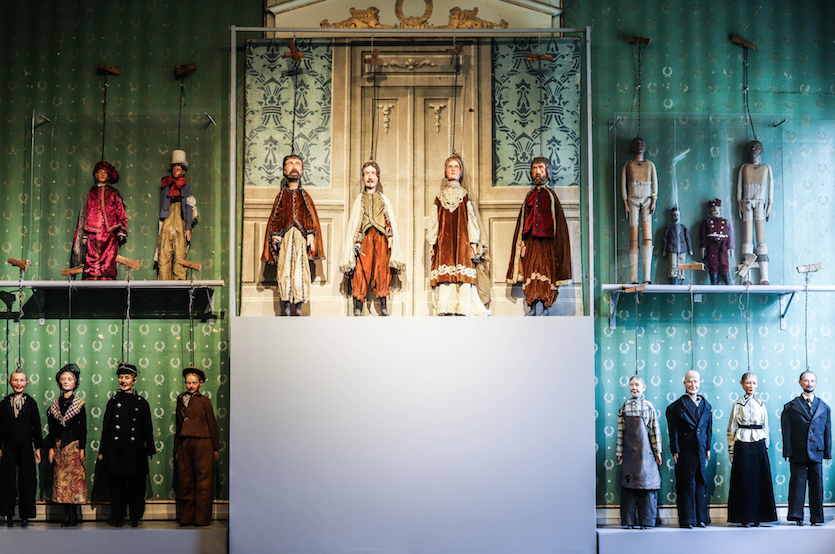
In early 2020, the Museum received a new collection of puppets and related objects that had previously been housed at the Museum of Folklore and Imagination. The collection includes the Poriginelles, large rod puppets that are unique to Tournai. Their name derives from Porigin, referring to these large puppets, which range from 40 cm to 1 metre in height.

In the 19th century, puppet theatre using strings and rods played an important role in Tournai, notably through the Jorio family. Performances were traditionally held in the Picard language.

The Museum is working to identify these puppets and trace the history of each piece. Have you seen any of these puppets before? What do they remind you of ? Do you have similar puppets at home ? We would love to hear your stories and welcome any photographs, memories or information you may have !

Contact : maisondelamarionnette@skynet.be

Plan PIPS (Preservation and Exploitation of the Heritage)

In 2013, 2018 and 2024, part of the Museum’s collection was digitised as part of a large-scale campaign led by the Wallonia-Brussels Federation to digitise the collections of recognised museums. The PIPS Plan helps preserve and promote these heritage objects while making them accessible to a wider audience.

Two figures of Bunraku exceptional

In 2017, the Museum welcomed two exceptional Bunraku puppets. This traditional Japanese form of puppet theatre is distinguished by its unique performance technique: each puppet requires three puppeteers to operate it. Bunraku puppets are extremely rare in Europe, with only one other example known to exist in Belgium.

PANORAMA

Digital archive and collection platform dedicated to puppetry arts. Explore digitised collections and documentary resources.

Peeters Mansion

The Museums is housed in the Peeters Mansion, a heritage building that is an integral part of the visitor experience.